
I want to share something personal with you today.
A few months ago, I was diagnosed with adrenal PCOS. And while I know that might sound like bad news, my reaction was relief. Suddenly, so many months of confusing symptoms finally had an explanation.
The cycles that would disappear for weeks and then reappear without warning. The hair that kept making its way onto the shower floor in amounts that would make anyone panic. The kind of fatigue that a full night’s sleep never really touched. I had been told, more than once, that my results looked fine. I didn’t feel fine. I kept doing all the things I was supposed to do, and something still felt off. And I was overrrr it!
Getting a name for it changed how I could approach it. And meant I really could do something about it, I wasn’t going in blind.
What adrenal PCOS actually is
Most of the conversation around PCOS focuses on insulin resistance, and that’s because the insulin-resistant type is the most common. But PCOS isn’t one single condition. There are different root drivers, and the type matters when it comes to what’s actually going to help.
Adrenal PCOS is driven by the stress response rather than blood sugar dysregulation (although that doesn’t help). The adrenal glands, when overworked or chronically under pressure, produce excess androgens. Those androgens disrupt the whole hormonal cascade, including ovulation, which is what causes the irregular or absent cycles that so many women with PCOS experience. The brain, adrenals, and ovaries are in constant conversation with one another, and when the stress system is out of balance, your cycle is often the first thing to feel it.
Which is also why the blanket advice to cut carbs, lose weight, and take inositol doesn’t work for everyone. When the issue is rooted in your stress response, what you need is a fundamentally different approach.
Where I actually start
Food of course!
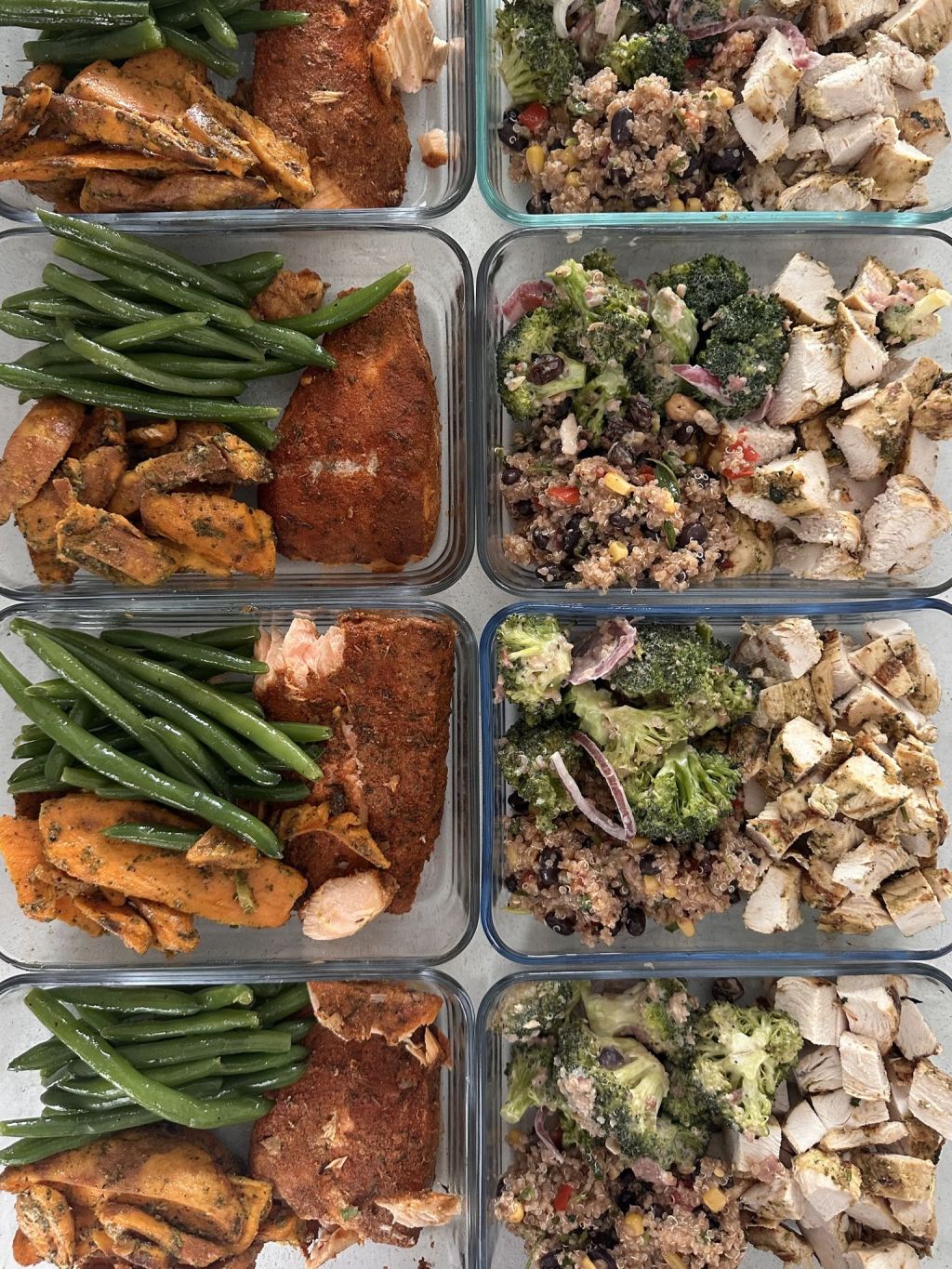
For adrenal PCOS specifically, the most impactful nutritional shift is eating in a way that reallllly supports the nervous system rather than adding to its load. That means regular, consistent meals so that your body isn’t running on cortisol (stress) because you skipped breakfast. It means enough protein and healthy fat to keep blood sugar steady and cortisol from spiking. And definitely not treating food as another thing to optimise perfectly, because the pressure of doing that creates its own kind of physiological stress. Vicious circle, am I right?!
It also means looking realistically at the rest of your day. Sleep. How you’re managing energy. Whether you’re giving your body what it needs to keep every system ticking over. This is the work I do with clients, and it’s the work I’ve had to do for myself too.
PCOS is manageable over time and with the right foundations in place.
Where to start if this sounds familiar
If your cycle is unpredictable, if you’re exhausted in a way you can’t quite explain, if you’ve been told everything looks fine but something still doesn’t feel right, I want you to know that your experience is valid and there are things worth looking at.
My Cycle Syncing Guide is a good starting point. It walks you through eating and living in a way that genuinely supports your hormonal health across the phases of your cycle, and it’s the kind of foundation that makes a real difference over time.
You can grab it here.
And if you’re ready for something more personalised, to actually look at your specific picture and build a plan around it, you can book a free 20 minute call with me and we can work it out what you need together.







Leave a Reply