
Recently, I’ve seen an increase in clients with PCOS or PCOS symptoms. And I realise that alot of us are out here looking for INSANELY easy ways to manage this without overhauling our entire lives. PCOS loves (hates?!) stress so I’m going to make it easier for you and lighten the load a little okkk my love?!
I appreciate this is specific this week, and if this is for you, I want you to know something first. PCOS is super complex. It is the most common hormonal condition in women of reproductive age, affecting up to 15% of us, and it shows up differently in every body. Irregular cycles, difficulty conceiving, acne, hair changes (hello thin hair on my head, and hairs on my chin?!), unexplained weight shifts. Sometimes one of those things, sometimes all of them, sometimes something else entirely.
The overwhelm around it is real. Especially when the internet serves up a new “quick fix” every other day.
Here is what I keep coming back to as a nutrition consultant: the most powerful place to start is not a supplement stack or a strict elimination plan. It is your blood sugar.
Because at the root of many PCOS types is insulin resistance.
The science: When insulin is elevated, it drives androgen production, which then disrupts the hormonal signalling needed for regular ovulation. The whole cascade begins with blood sugar, which means the most meaningful changes often start at your next meal.
What that looks like in practice is genuinely manageable.
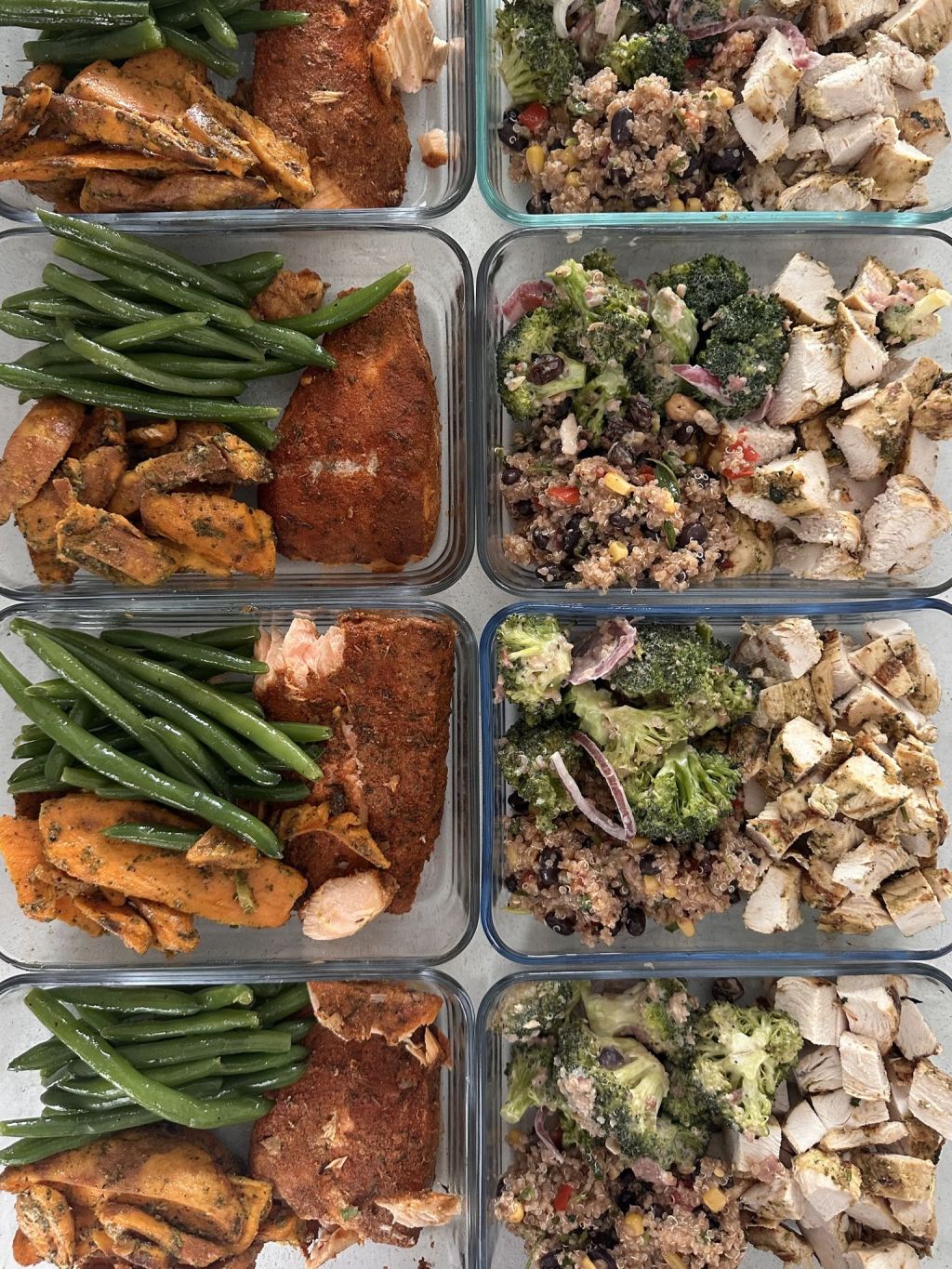
What can we do?! I recommend to build every meal around a quality protein source, some healthy fat and plenty of fibre, so that your blood sugar rises gradually rather than spiking and crashing. Starting with breakfast. And yes, please please please eat breakfast my love. It’s a game changer for not only PCOS but any hormonal support.
Choose whole carbohydrates like lentils, oats and root vegetables over refined ones, not because carbs are the problem but because the type and context matters.
Eat at regular intervals, starting with a proper breakfast, and not skipping meals in the hope that restriction will help. Spoiler: It rarely does.
From there, you can layer in things like seed cycling, anti-inflammatory foods, reducing toxin exposure and getting consistent sleep. These are all genuinely supportive. But they work best when the foundations are already in place, and the foundations are far simpler than most of what you will read online.







Leave a Reply